Healthcare Technical Solutions

- Case Studies
- Solutions
- Thinking
Communications & Culture
- Corporate communications is no longer a simple newsletter, speech writer, or branding exploit ‘from the desk of The CEO.’ It is about generating radically new stakeholder experiences driving more demand for our clients’ existing offerings. We will analyze and then restructure a client’s mix of channels to have a more prominent position to:
- Drive digital offerings
- Reach more consumers
- Serve new market segments
Question: How do we design change transformation in organizational culture with a collaborative, strategic framework for dynamic business functions?If you agree that language is the basis for mental development and perception of the world, then the structure of the English language (beginning with subject-then verb-and ending with object) is in direct contradiction with the theory that reality might be a closed-loop system. The closed-loop system is how the flow of interrelationships exists. In 1990, systems thinker Peter Senge so eloquently outlined in The Fifth Discipline in 1990. Dr. Senge explored the idea of the learning organization as a dynamic system and in a constant state of continuous adaptation and improvement; a closed-loop system. The challenge remains how to put forth a dynamic system in accord with what may be built into a completely different set of rules. We think it has everything to do with leadership.
It is not even an important idea such as freedom.
It is, rather, a force in people’s hearts, a force of impressive power. It may be inspired by an idea, but once it goes further —
if it is compelling enough to acquire the support of more than one person — then it is no longer an abstraction. It is palpable. People begin to see it as if it exists.”
‘Few, if any,
forces in human affairs are as powerful as shared vision.”
Peter M. Senge
Solutions
Transformational Organizational Culture

As this newly formed project management office responsible for change management programs including employee (stakeholders) buy-in for the hospital’s digital transformation to enterprise wide information systems (Cerner and McKesson) for 7000 employees/12 sites, ran and operated a fully executed selection campaign tied back to user training for user experience initiative for adoption and adaption advocacy.
Naysayers always loom when change is in bloom.

With engineering management, redesign (and support) upgraded software systems for interoperability for all therapeutics and procedures for endoscopy medical devices and hospital software. Successes were met but not everyone was an advocate. Sound familiar?
Align Strategic Priorities

Design with Executives, Strategy
Countless times, organizations have believed they are ahead of the curve but find themselves ‘data rich and information poor.’ The phrase was introduced over 35 years ago and never before now has it been more meaningful. To launch a new division takes initiative to identify “whitespace” opportunities and digging deep to identify the potential challenges and risk mitigation maneuvers.
Cultivate Strong Connections, Cross-Functionally, Across Borders and Culture

The CEO of Pfizer, Mr. Albert Buora said to the audience, “when I was starting out, all anyone really cared about was getting a job and keeping a job. Now, we need to have a deeper relationship with our employees and that means recognizing diversity as an asset.”
Stakeholders and Team Management
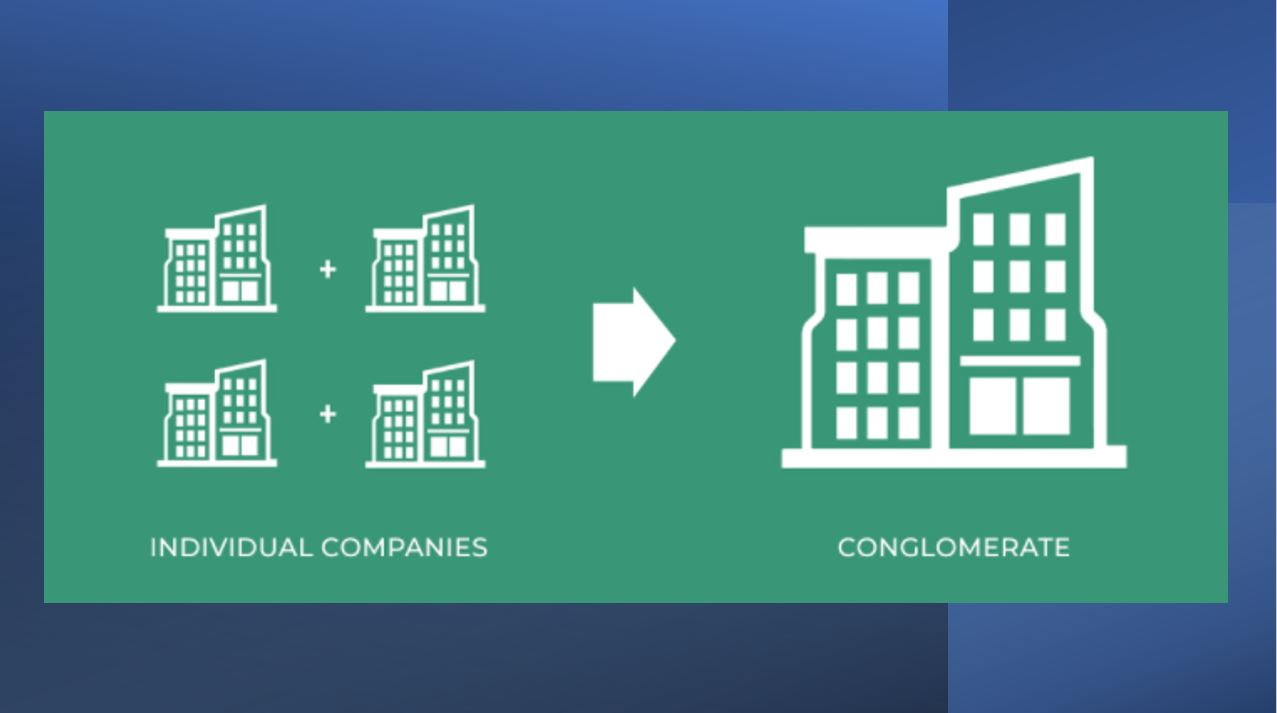
Through analysis of shared resources and customer experiences, mapping supply chain resources and customer procurement, achieved divisional integration of 7 major business units under one holding company to deliver a system and unique process to its multi-conglomerate clients, globally. Generated new solution called Speedline and contracted multi-year agreements globally with client manufactures.
Data Drives Strong Digital Decisions

In 2008, about five months before Lehman Brothers collapsed catapulted by the subprime mortgage fiasco, Richard Thaler and Cass Sunstein published Nudge: Improving Decisions about Health, Wealth, and Happiness. It was the first formal use of the term “choice architecture.” This means it is the design of the different ways choices can be presented to consumers and decision-making. Taking the concept further, Daniel Kahneman published the best seller, Thinking, Fast and Slow. Kahneman questions our general confidence in ‘natural, human judgement.’
Analytical Approach
This strategy transformed the health care provider experiences by building unique solutions that nudge at Point of Care inside EHR and eRx for pharmaceutical clients.
Connective Stories
As a direct result of digital transformation, individualism has become the norm. Collectivism focuses on group goals as the individualist is motivated by personal rewards and benefits. Projective selling built on features and benefits was an adequate method used in past generations as information only prevailed for targeting groups of demographic / psychographic segments. The digital tech environment has given marketing the data driven tools to enhance its communications as hyper-targeted to specific users in specific contexts.
Within a fraction of a second, algorithmic software handles the sale and placement of digital ad impressions via ad exchange platforms. Instead of buying based on keywords only, programmatic search allows marketers to use audience insights to power both how and to whom their search ads get displayed. It’s all about “the personal.”
Connective Stories with Digital Programs This strategy created the connective stories, amplified across multiple channels, conducting strategic presentations, communicating vision for campaign launches and optimization excellence |


Tactical Marketing to Execution
This strategy revolves around patient communications by carving out the brand story based on market research and data analytics, competitive analysis, and experiences with justifiable concern of HIPAA.
Case Studies
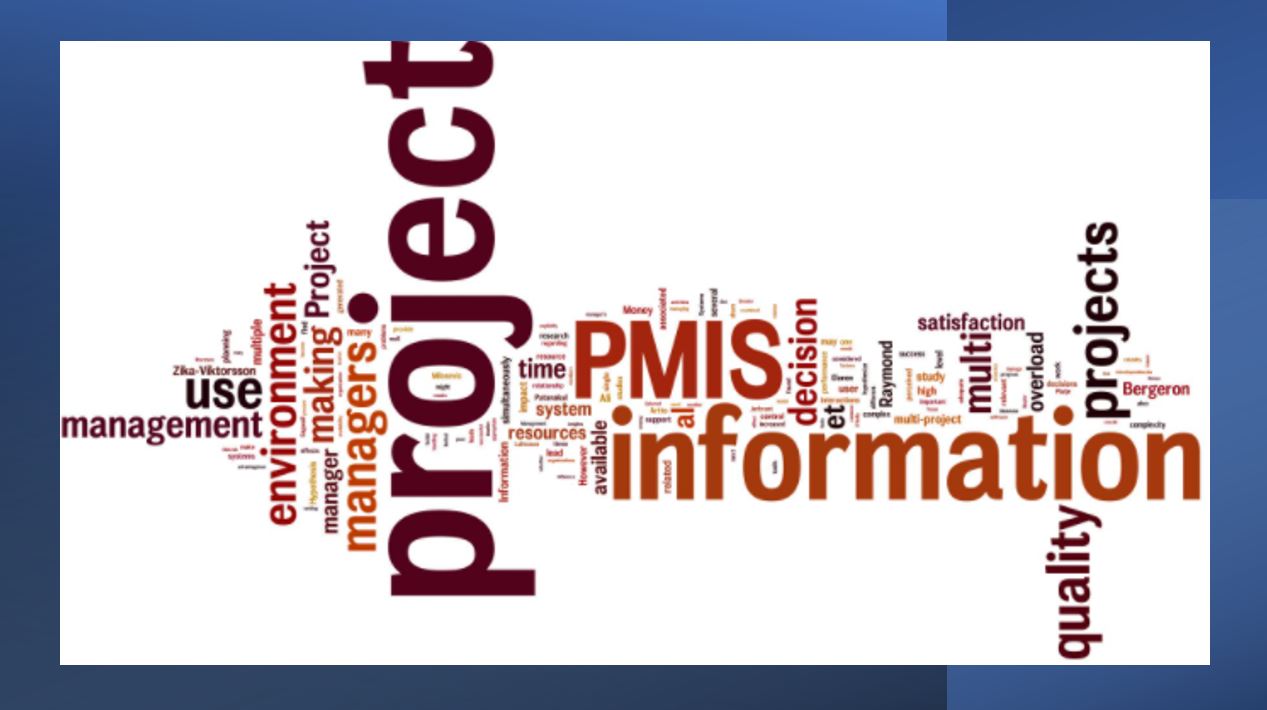
Case 1: Large Hospital System Project Management Office
Key People of Influence
Peter M. Senge
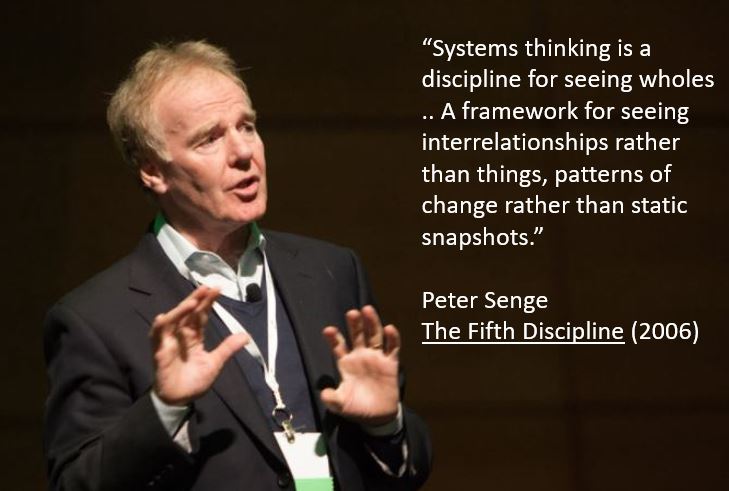
Peter Michael Senge is an American systems scientist who is a senior lecturer at the MIT Sloan School of Management, co-faculty at the New England Complex Systems Institute, and the founder of the Society for Organizational Learning.
2. The harder you push, the harder the system pushes back.
3. Behavior grows better before it grows worse.
4. The easy way out usually leads back in.
5. The cure can be worse than the disease.
6. Faster is slower.
7. Cause and effect are not closely related in time and space.
8. Small changes can produce big results, but areas of the highest leverage are often least obvious.
9. You can have your cake and eat it too but not all at once. Not either/or. Allow time for solutions to work.
10. Dividing an elephant in half does not produce two small elephants.
11. There is no blame.
Services We Offer
Advising interviewing skills
Align departments effectively
Communicate w/attorneys, govt regulators, emergency responders, politicians, as necessary
Communicate with data
Communications with customers and prospects
Communications with employees
Communicatee w/key stakeholders-C-Suite & investors
Communications with media and general public
Corporate communications
Corporate eLearning
Corporate learning culture
Creating printed materials
Cross-cultural communication
Define organizational goals
Draft emails and memos announcements
eLearning program development
Employee events management
Establish emotional connection
Facilitate group brainstorming
Protect organization’s reputation
Human resources management
Leadership
Learning Management System (LMS)
Liaison
Manage internal blogs, newsletters
Manage press coverage
Monitor news for mentions
Organize interview briefs
Presentations and public speaking
Product launches
Project management
Public and media relations
Research w/critical thinking
Set tone for communication
Social media strategy
Technical skills
Vendor management
Website copy
Write / distribute to garner coverage
Writing skills